Journal | Issue 20
Organizational Learning
Learning While Leading: Lessons from inside PEAK’s peer networks
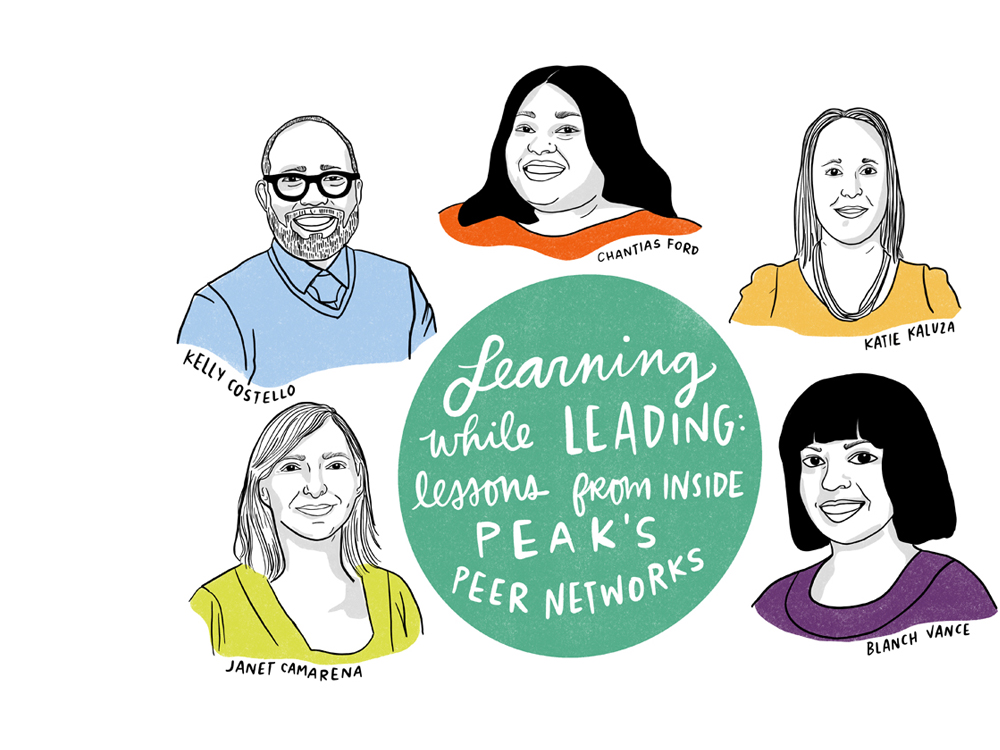
Our chapters, communities of practice, affinity groups, caucuses, CONNECT, board and other volunteer opportunities offer many ways in which PEAK members can learn and lead together. Through PEAK’s peer networks, our members are empowered to leverage emergent learning and activate each other as changemakers who will lead change in grantmaking practice.
We asked four PEAK volunteer leaders to reflect on how these spaces have helped to support members’ learning journeys and how these experiences have driven new ways of thinking in their work. PEAK Community Knowledge Manager Chantias Ford led the virtual roundtable with Candid’s Senior Director of Learning Experience Janet Camarena, who is a member of PEAK’s board of directors; Rose Community Foundation Grants Manager Kelly Costello, who cochairs the PEAK Rocky Mountain chapter; Hillspire Director, Grants and Philanthropic Services Katie Kaluza, who chairs PEAK’s Equitable Grantmaking Practices Community; and The Grove Foundation Grants Manager Blanch Vance, who cochairs PEAK’s Black Caucus. Highlights from their conversation follow.
Ford: Why did you each join your respective groups?
Costello: I joined a PEAK chapter within weeks of starting in philanthropy. When I moved into a leadership role with the PEAK Rocky Mountain chapter, I started to think about how I was networking and how, whenever I’d run into challenges at my organization, I knew I had people I could reach out to, and learn from, to do my job better and grow. There is an incredible amount of knowledge held within each of PEAK’s chapters.
Camarena: PEAK has a unique focus on grantmaking practice and elevating the importance of data in promoting transparency and, ultimately, building knowledge across the field. That aligns very well with the work we do at Candid—to harness technology to create openness and efficiencies that make the grantmaking process more humane for all concerned—so there have always been lots of opportunities to advance this work in tandem. I first became involved with PEAK presenting on the importance of foundation transparency at chapter meetings and national conferences. I was very proud to join the board because PEAK pushed the field to improve its practices before it was fashionable to do so, and has long emphasized that it’s not just about what you fund, but how you fund.
Vance: I’ve found PEAK to be a great space to find out the latest information, meet new people, and have fun being involved with my chapter, PEAK Southern California. At The Grove Foundation, we try to center our grantees by making our processes really easy, so when Rachel Kimber reached out to me about presenting and then cochairing the Oral and Alternative Reporting Community, I totally wanted to do it.
Kaluza: I wanted to learn about what my peers were doing to implement more equitable practices at their organizations, as well as make sure that my organization’s grantmaking practices matched its strategy to reduce the racial and ethnic wealth gap in Chicago. Change is always hard, particularly around longstanding practices. Being able to talk with other people from foundations all over the country has been helpful in learning how to implement more equitable practices.

Ford: Some of your groups are newer, and some are more established, but you’re all still figuring things out as you go along. How do you embrace the messiness of learning and operationalize learning cultures within your groups?
Costello: We had to figure out how to be creative when people were interested in getting involved in our regional chapter, but held back because they weren’t sure what specific roles entailed or if they would be able to be successful in a role. The program chair position was one that felt really scary to people because they thought they would be solely responsible for deciding what our chapter was interested in and finding speakers.
The chapter leadership team adopted a loose, consensus-based decision-making model that made the lift a lot lighter, so more people showed up at the table. We keep trying lots of ways to figure out what offerings will meet the needs of most people. There’s no one right answer.
Also, the right answers change over time. A few years ago, we thought about focusing on sharing our forms and templates, but only a few people were interested. But someone else recently brought this up and there’s greater interest now. You need to be able to recognize when it’s the right time to pursue something and be willing to try things again. You don’t necessarily know where conversation will lead, but you ride the wave, see where the energy is, and dig in.
Camarena: There is a big learning curve when joining a board. It can be a bit intimidating, especially leading up to the first board meeting, because the stakes are much higher as you become accustomed to the reality of what it means to take on a governance role for an organization you might still be getting to know. When you get that first agenda, you have lots of questions and, even with the best of board orientations, you don’t want to slow things down by asking all your questions.
That’s why my peer cohort on the board moved to institute a board buddy system to nurture learning and networking. Now, everyone who joins has a person to serve as their mentor. Beyond quickly getting your questions answered, you have your own ambassador to this new world of the board, which I think spurs one to be more willing to question and learn while also growing personal and professional networks.
Kaluza: In the Equitable Grantmaking Community of Practice, my cochair Kelly Hayashi and I were unsure of what people would want to talk about, so we relied on the community and volunteers within the community to be presenters. We didn’t feel like we had to bring in outside experts because we wanted to hear what our peers were doing.
I always try to plan for exactly how facilitating a session should go, but with the community of practice, Kelly and I embraced the newness of it. We’ve tried to remember that, even if a session wasn’t perfect, we were still learning and would learn how to do better next time. We both embraced that emergent aspect and relied on our peers to help us facilitate that community of practice.
Ford: It’s critical to have spaces where people are able to support each other in their respective learning processes. With that in mind, how has your involvement in these groups supported your own growth?
Kaluza: I always thought that having a written report from the grantee was important to the learning process for both grantees and funders. But being involved in the community of practice and hearing from peers across the country on topics like alternative reporting methods has expanded how I think about certain practices, and how to support learning across grantees in different ways.
Costello: Through PEAK, I have access to a wide range of solutions from across the field, and I can then figure out which ones are a good fit for my organization. When those ideas get sparked, I feel empowered.
Ford: To build on that last comment, what takeaways from your respective group discussions have you brought back to your organizations? Are you starting to see ways in which you’re sparking new discussions and influencing new ways of working?
Camarena: Funders want to learn from the experiences of other funders, particularly because some practice changes can represent big culture shifts. Staff members, especially those not in a leadership role, can still make the case to leadership for solutions that worked at other foundations and how they might inform their own work. The practice of collecting those stories can be challenging, but PEAK’s engaged membership provides a ready pipeline of shared experiences.
Also, people learn most from the mistakes of others, yet stories of funders being vulnerable are hard to come by. But PEAK creates a safe space for members. For example, PEAK and Candid teamed up in the early days of the pandemic to convene a Community Conversation about how funders were adjusting their practices in response to the pandemic. This created a safe space for funders to compare notes, learn from one another, and reflect on how their own practices and processes could either help or hurt the situation. Participants recognized the opportunity to streamline applications and tedious reporting requirements and to take on more of the burden for doing the due diligence on grantees by using publicly available data and material provided to other funders.
Vance: There are only eight of us on staff, so sometimes it’s just easier to talk to somebody else. In the peer group, someone may be working through the same issue as you, and you can see what they’ve tested and how it worked. And I can go back to my organization with what others have done and what the outcomes were. From a time perspective alone, it’s helpful.
Ford: Can anyone speak to an instance where their thinking has evolved as a result of the conversations you’ve had in your groups? What did that evolution look like?
Camarena: PEAK’s values and Principles guide the way I think about being a board member and how we learn and grow as an organization. For example, I cochair the board’s strategy and organizational effectiveness committee. As we work to align with PEAK’s Principles around streamlining and being good stewards of our resources, we aim to rightsize our own operations so that we’re not unnecessarily burdening staff with lengthy reporting, allowing them to focus on what’s most meaningful to informing and sharing our impact story. The board has also given staff permission to push back on funders when their proposal guidelines don’t align with PEAK’s values around reducing grantee burdens. We really believe that PEAK can and should use its interactions with funders as teachable moments about what’s not okay.
Vance: For the Oral and Alternative Reporting Group, it’s been a nice reminder that implementing trust-based practices is a journey. I’ve had the chance to revisit some of my organization’s agreements, tweak them, and make them easier for our grantee partners. Just because you’re employing those practices, it doesn’t mean you stop there. There are opportunities to continue to grow. And it’s been nice to see the different ways that organizations or foundations operate, to see if there’s an opportunity to apply their practices to the work that I do at Grove.
Ford: Emergent learning requires us all to be vulnerable in owning up to the fact that we may not have all of the answers before diving into a project or a conversation. How do you navigate that discomfort around the messiness of learning?
Costello: We’re all looking to each other to share that knowledge and expertise. But it can be hard for people to be comfortable owning the fact that they have expertise. Peer networks give opportunities for people to share learning, successes, and challenges. I have learned a lot from people because they have been transparent about their own processes, and we can then engage in conversations where we can build on each other.

Kaluza: Kelly Hiyashi and I were the first to lead PEAK’s Equitable Grantmaking Practices Community, and I tried to not worry too much about getting everything perfect. We had to acknowledge that we were trying to do something new and that it’s hard to bring change back to our organizations.
A critical part of emergent learning is creating space for community members to reflect on their successes and challenges and to share their personal and organizational learning with the group. So we incorporated peer coaching into some of the sessions to make space for group think, live troubleshooting, and reflection. At the end of the year, we as a community realized that talking about these issues and reflecting on our experiences was contributing to change at our organizations, particularly in the areas of alternative reporting methods and incorporating more flexibility in reporting requirements.
Camarena: I’m reminded of the importance of trust when you’re part of a group and you’re learning from and with one another. If you want to have meaningful learning interactions, discomfort will be part of it because no one is an expert in everything. Discomfort is a good thing, because it shows that you’re pushing the group to a different place—hopefully a better place. But if you don’t trust the group, there’s a lot of silence and unwillingness to have those authentic conversations.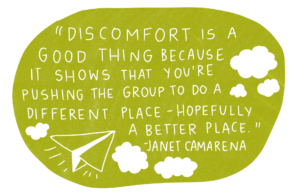
That’s why PEAK’s Narrowing the Power Gap Principle is so important. Many funders will say they want to use their reports as a learning experience for all concerned, but the reports about what doesn’t work can’t be punitively used against a grantee—otherwise reports will continue to have a positivity bias toward the funder that limits the learning opportunity.
Ford: I think about all the conversations we’ve been having around creating a safe space to question things and to learn without the fear of repercussions. I also think about how our principles address transparency and how to build trust with grantee partners through transparency.
If you are transparent, you’re building trust and rapport so that people can feel comfortable saying they don’t have all the answers and finding ways to best support one another. So, to help our members think through what an emergent learning culture might look like for them, what action items should people take?

Vance: Don’t be afraid to try. I’m somebody who likes to be on the front end of changing things. Just jump in there and see if you can get other people on board to do something with you. I haven’t had a lot of people say no when I ask if they want to partner with me on something. It’s always nice to have core co-conspirators if you’re trying to do emergent learning within your organization.

Kaluza: To build on what Blanch said, implementing equitable practices may seem like a huge challenge in certain organizations. Instead of thinking about the enormity of bringing about change, focus on what you can do to move a little bit forward—even if it’s only 15 percent of a solution, it’s still a good thing to move forward in smaller steps toward an overall solution. And then, hopefully, you can build on that 15 percent or those smaller steps. That mindset helped to reduce some of the enormity of the work for me.
Camarena: Find an ally to help you and lift up peer voices outside your organization. It’s then that you can make the case internally and start to drive change. To that end, engage in the kinds of networks that PEAK provides so that importing and exporting best practices can actually happen—PEAK offers so many helpful chapter meetings and webinars where members can share their best practices. You also need to have a safe space inside your foundation where you’re able to bring those lessons inside and have them be heard.
Costello: Find spaces where you can be vulnerable. That could be with a trusted colleague, whether that’s internal at your organization or within PEAK. This includes a range of asking questions or acknowledging things we don’t know, or even strategizing about how to propose new approaches when there is internal organizational resistance. You need to have people you can go to to let it all out, to be in the messiness together, so that you can get to a place where you’re going to take things next.
PEAK’s Peer Network Playbook
- Just jump in: Join your chapter, or a peer group, and volunteer!
- Find allies for your emergent learning journey.
- Find spaces where you can be vulnerable.
- Don’t be afraid to try—and be willing to retry.
- Lift up perspectives from outside your organization.
- Focus on moving just a little bit forward.
- Everyone has expertise.
- Remember: Discomfort is a good thing.
- Build relationships and have fun!
Meet the Author
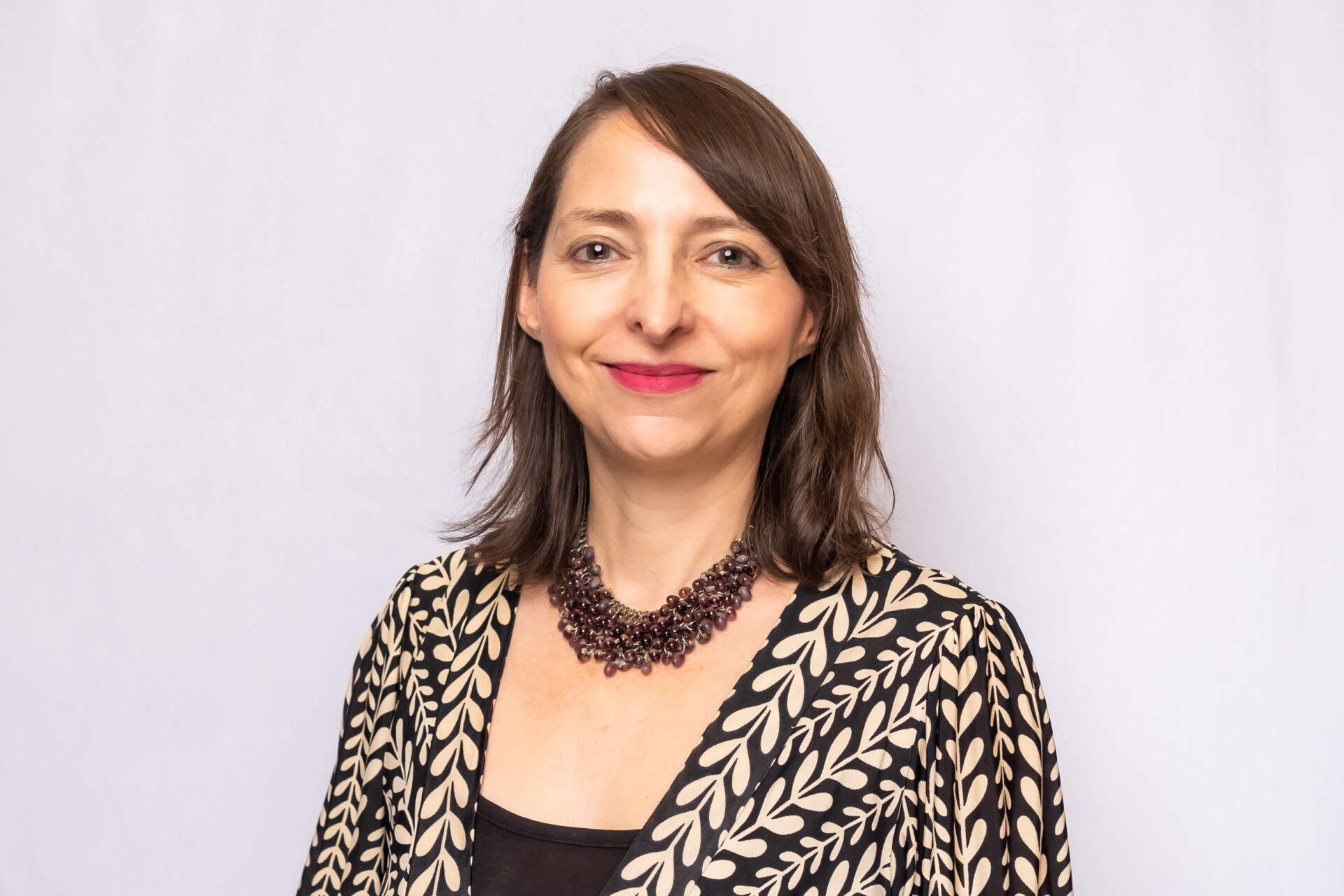
Janet Camarena
Senior Director of Learning Experience, Candid

Kelly Costello
Grants Manager, Rose Community Foundation

Chantias Ford
Community Knowledge Manager, PEAK Grantmaking
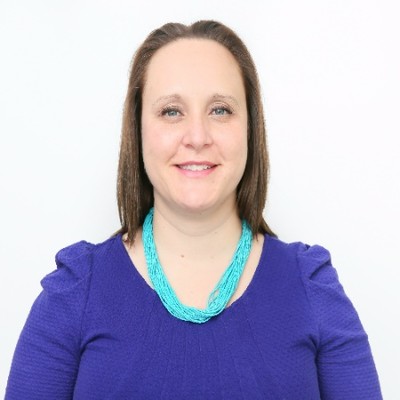
Katie Kaluza
Director, Grants and Philanthropic Services , Hillspire

Blanch Vance
Grants Manager, The Grove Foundation
Principles for Peak Grantmaking
Read more insights related to this Principle:
Learn, Share, Evolve
Related Topics
Organizational LearningRelated Articles
Maintaining the Learning Momentum After a PEAK Convening
READ
How a PEAK–BSU Partnership Helped Me See a Career in Philanthropy
READ
Six Insights on Organizational Learning
READ